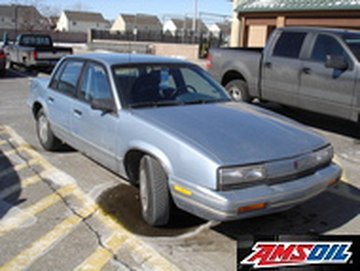
Maintenance Guidance for 1983 Oldsmobile CALAIS 5.0L
Maintaining an older vehicle requires consistent attention to fluid levels and system integrity. For the 1983 Oldsmobile CALAIS with the 5.0L engine, following specific guidance regarding cooling and lubrication can assist in managing the mechanical health of the vehicle over time.
What coolant does my 1983 Oldsmobile CALAIS 5.0L take?
The following products are listed for this application: ANTPC1G-EA Passenger Car & Light Truck Antifreeze & Coolant and ANT1G-EA Low Toxicity Antifreeze and Engine Coolant.
Engine Oil Maintenance Considerations
Regularly monitoring the engine oil is a fundamental aspect of vehicle upkeep. Because this vehicle belongs to an older generation of light trucks and passenger vehicles, checking the oil level frequently helps ensure that the internal components remain lubricated. When inspecting the oil, look for signs of significant discoloration or unusual textures that might indicate contamination from other fluids. While specific viscosity requirements are not provided in the database for this engine, maintaining a consistent oil change schedule as outlined in your owner's manual is essential for managing engine wear.
Cooling System Monitoring
The cooling system is vital for regulating the temperature of the 5.0L engine. Beyond selecting from the listed antifreeze and coolant options, it is important to inspect the radiator, hoses, and connections for any signs of weeping or crystallization. If you notice a drop in coolant levels, investigate the source of the loss rather than simply adding more fluid. Maintaining the correct mixture of coolant and water helps prevent internal corrosion and ensures the system can manage heat effectively during operation.
Fluid Inspection Intervals
To maintain the vehicle properly, do not rely on guesswork regarding when to check fluids. Instead, follow the manufacturer maintenance schedule provided in the owner's manual. Regular inspections of engine oil, coolant, and other essential fluids allow for the early detection of leaks or degradation. For a vehicle of this age, checking fluid levels during routine inspections can prevent more significant mechanical issues caused by low or contaminated lubrication.
Managing Engine Contamination
Engine oil can sometimes become contaminated by moisture or fuel, which affects its ability to lubricate the engine components. If the oil appears milky or has a strong scent of fuel, it may indicate that the cooling system and the lubrication system are interacting or that there is an issue with combustion seals. Addressing these signs promptly according to the manufacturer's guidance can help maintain the integrity of the 5.0L engine.
General Vehicle Upkeep for Light Trucks
As a light truck/auto application, this vehicle may be subject to various operating conditions. Regardless of how the vehicle is used, keeping the engine bay relatively clean and ensuring that all fluid reservoirs are filled to the appropriate levels helps in identifying leaks early. A leak that might otherwise go unnoticed can be spotted more easily if the surrounding components are free of excessive grime and debris.
BUYING ENGINE OIL
When you are ready to purchase lubrication for your vehicle, consult your owner's manual to confirm the necessary specifications for your specific engine. When shopping, ensure you are selecting products that align with the requirements documented by the manufacturer. Always verify that any new fluid or coolant matches the application details provided in your vehicle's technical documentation.